Best Wedding Planners Marbella


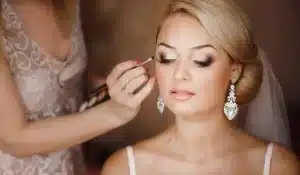 Spanish wedding mornings are intentionally calm. Unlike early starts common in other countries, the morning in Spain is designed to give you time, space, and flexibility. Hair and make-up usually begins around 9:00am, especially for weddings held between May and October when the ceremony is later in the day. Starting early does not mean rushing, it means building in breathing room. This allows hair and make-up artists to work at a comfortable pace, photographers to capture natural preparation moments, and the bridal party to enjoy the experience rather than feeling under pressure.
Because the ceremony is later, there is no need to be dressed too early. Brides typically put on their dress late morning or early afternoon, depending on the ceremony time. This avoids overheating and keeps everything feeling fresh. Morning preparation also allows time for breakfast, hydration, and quiet moments with close friends or family, which are often remembered as some of the most meaningful parts of the day. A relaxed morning sets the tone for the entire celebration and ensures you enter the ceremony feeling confident and composed.
 Hair and make-up usually begins around 9:00am
Plenty of time built in to avoid rushing
Better light and cooler temperatures for preparation photos
Allows relaxed dressing closer to the ceremony time
Sets a calm tone for the entire wedding day
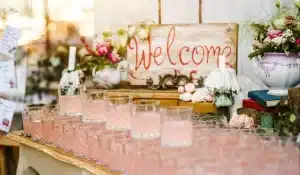
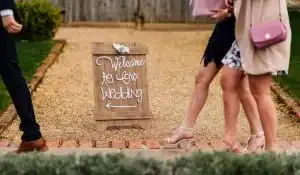 Guest arrival is a crucial part of the timeline, particularly for outdoor weddings in Spain. Guests are normally asked to arrive around 30 minutes before the ceremony begins. This window allows time for seating, orientation, and refreshments without guests feeling rushed or uncertain. Welcome drinks are strongly recommended, especially between May and September, when temperatures can remain high even in the late afternoon.
Welcome drinks are not just a luxury, they are a practical necessity. Providing cold water, soft drinks, and light refreshments immediately improves guest comfort and mood. Shaded seating areas, parasols, or covered spaces should be considered wherever possible. This is also a natural moment for guests to socialise, settle in, and take in the surroundings before the ceremony begins. A well-managed guest arrival prevents heat discomfort, confusion, and delays, and it creates a welcoming atmosphere from the very first moment.
Guests typically arrive 30 minutes before the ceremony
Welcome drinks help with hydration and comfort
Shaded areas improve the guest experience
Ushers or signage help with smooth seating
Creates a relaxed, social atmosphere before the ceremony
 Ceremony timing is one of the most important decisions in a Spanish wedding. Between May and October, the sun is strongest from late morning through early afternoon, with peak heat and UV exposure typically occurring between 10:00am and 4:00pm. For this reason, ceremonies should be scheduled later in the day. The optimum ceremony time during peak season is around 5:00pm, when temperatures begin to ease and the light becomes softer and more flattering.
Ceremony duration depends on the type of ceremony you choose. Symbolic or civil ceremonies usually last between 20 and 30 minutes, while religious ceremonies often last 60 minutes or more. Additional elements such as readings, rituals, or cultural traditions can extend this time. A well-planned ceremony balances meaning with comfort, ensuring guests remain engaged without feeling overheated or restless.
 Peak sun hours are generally between 10:00am and 4:00pm
Best ceremony time in summer is around 5:00pm
Symbolic ceremonies last 20 to 30 minutes
Religious ceremonies often last 60 minutes or longer
Later ceremonies improve comfort and photography
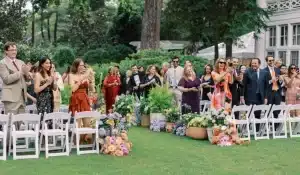 The period immediately following the ceremony plays a crucial role in maintaining the flow and atmosphere of a Spanish wedding. Once the ceremony concludes, guests should be guided smoothly and confidently towards the cocktail reception area, while the couple remains briefly behind for photographs. This transition is a defining feature of Spanish weddings and, when handled well, feels effortless rather than staged. Guests should never feel unsure about where to go or left waiting without refreshments, particularly in warm weather. For this reason, drinks service should begin as soon as guests arrive at the cocktail area, with shaded seating or standing areas clearly available.
Couple photographs during this time should be planned with precision rather than length. Ideally, the photography session lasts no more than 20 to 30 minutes. Longer sessions can unintentionally disengage guests and prevent the couple from enjoying one of the most social parts of the day. A well-coordinated photographer and planner will prioritise meaningful images, working efficiently so the couple can rejoin their guests quickly. This transition period is about preserving energy, encouraging conversation, and keeping the celebration moving naturally from ceremony to socialising.
 Guests move directly into the cocktail reception area
Couple photographs typically last 20 to 30 minutes
Drinks, shade, and seating should be available immediately
Clear guidance prevents confusion or delays
Maintains momentum and a relaxed atmosphere
The cocktail hour is one of the most distinctive and enjoyable parts of a Spanish wedding, and it is far more than a brief pause between ceremony and dinner. In Spain, cocktail hours usually last between 1.5 and 2 hours, allowing guests to unwind, socialise, and fully enjoy the hospitality. This extended timeframe reflects the Spanish approach to celebrations, where food and conversation are meant to be savoured rather than rushed. The cocktail hour sets the tone for the rest of the evening and often becomes one of the most memorable parts of the day for guests.
During this time, canapés are served continuously, often accompanied by live cooking stations, jamón carving, seafood displays, or signature drinks. This creates a dynamic, interactive experience rather than a static reception. The couple typically joins their guests once photographs are complete, allowing them to mingle, relax, and enjoy the moment before the more formal dinner begins. The cocktail hour also acts as a natural buffer, giving the kitchen time to prepare for dinner while keeping guests entertained and comfortable. When planned well, it enhances the guest experience and ensures the day flows smoothly into the reception.
 Cocktail hour usually lasts 1.5 to 2 hours
Continuous food and drinks service throughout
Live cooking stations or speciality displays often included
Couples join guests after photographs
Creates a relaxed and sociable transition into dinner
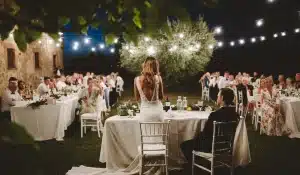 The wedding reception in Spain is designed to be a long, enjoyable dining experience rather than a quick meal between events. Typically lasting between 2.5 and 3 hours, the reception focuses on high-quality food, conversation, and shared moments at the table. Spanish wedding menus are usually multi-course affairs, served at a comfortable pace that encourages guests to relax and engage with one another. This slower rhythm is intentional and reflects the cultural importance of food as a central part of celebration.
Speeches are usually delivered during the meal rather than before it. Most commonly, they take place after the main course, once guests are settled and comfortable. This timing avoids disrupting service and prevents guests from becoming hungry while waiting for food. Unlike some other cultures, dancing does not usually take place during the reception itself. Instead, the meal remains a seated, social experience, with the energy building gradually towards the evening party. When planned correctly, the reception feels elegant, unrushed, and deeply enjoyable for guests of all ages.
 Seated receptions typically last 2.5 to 3 hours
Multiple courses served at a relaxed pace
Speeches usually take place during dinner
Guests remain seated for most of the reception
Focus on food, conversation, and shared experience
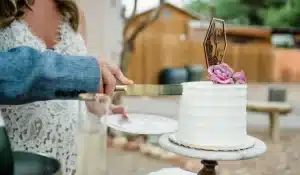 Cake cutting is a meaningful and carefully timed moment within a Spanish wedding day, acting as the natural bridge between the formal dining experience and the evening celebration. It usually takes place after dessert or alongside coffee and petit fours, once guests are relaxed, seated, and fully engaged. At this point in the day, attention naturally returns to the couple, making it an ideal moment for photographs and a short celebratory pause before the party begins. In Spain, cake cutting is rarely rushed. It is treated as a visual highlight rather than a functional task, often accompanied by music, a short announcement, or gentle applause from guests.
From a planning perspective, lighting and positioning are particularly important. Cake cutting often happens after sunset during peak season weddings, so additional lighting is usually required to ensure photographs are flattering and clear. Once the cake has been cut and served, guests are invited to move towards the party area. This transition should be guided clearly by the planner, DJ, or venue team to avoid hesitation or loss of energy. When managed well, cake cutting feels celebratory rather than procedural and provides a smooth, uplifting shift from the seated reception into the evening festivities.
 Cake cutting usually takes place after dessert or coffee
Acts as a symbolic transition from dining to celebration
Lighting is planned carefully for photographs
Announcements or music help guide guest attention
Signals the natural start of the evening party
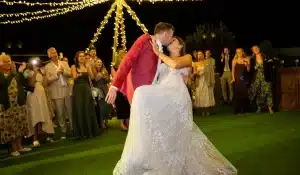 The party is where Spanish weddings truly come into their own and often becomes the longest and most energetic part of the day. After dinner and cake cutting, guests typically move to a separate space dedicated to dancing and the open bar. This separation between dining and partying is a common feature of Spanish weddings and allows each part of the celebration to have its own atmosphere. The party usually lasts a minimum of three hours, although many venues allow celebrations to continue until the early hours of the morning, depending on licensing and location.
Music plays a central role during this part of the timeline, whether provided by a DJ, a live band, or a combination of both. Lighting design, sound quality, and bar service all contribute to maintaining energy on the dance floor. Many couples also choose to include late-night snacks or comfort food, which helps guests recharge and continue enjoying the evening. One of the strengths of the Spanish wedding timeline is flexibility. Guests can dance, socialise, or take breaks as they wish, creating a lively but relaxed end to the day that feels natural rather than forced.

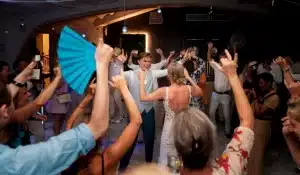 Choosing the right time of year is a key decision when planning a wedding in Spain, as climate plays a significant role in guest comfort and overall atmosphere. The most popular months for Spanish weddings are May, June, September, and October. These months offer warm temperatures, lower humidity, and minimal rainfall, making them ideal for outdoor ceremonies, cocktail receptions, and evening celebrations. They also provide long daylight hours, which helps create a relaxed flow throughout the day.
July and August are also popular, particularly for couples seeking a vibrant summer atmosphere, but these months require more careful planning around heat management, ceremony timing, and shade. Later ceremony starts and additional comfort measures become essential. From May through September, rainfall is generally low, while October and November may see occasional showers, particularly later in the season. Autumn weddings often benefit from softer light, cooler evenings, and a calmer pace, while November suits smaller or more intimate celebrations. Seasonal choice also affects availability, supplier demand, and pricing, making it an important part of your overall wedding timeline planning.
 Peak wedding season runs from May to October
May and June offer warm, comfortable conditions
July and August are hotter with minimal rainfall
September and October provide softer light and cooler evenings
Seasonal choice affects availability, pricing, and atmosphere
 Between May and November, the time of day you choose for your ceremony has a direct impact on comfort, flow, and guest experience. During the warmer months, the sun is strongest from late morning through early afternoon, with peak intensity typically occurring between 10:00am and 4:00pm. Outdoor ceremonies held during this period can be uncomfortable for guests and challenging for suppliers, particularly in peak summer months.
For this reason, later ceremony times are strongly recommended for Spanish weddings. The optimum time during peak season is usually around 5:00pm, when temperatures begin to ease and the light softens. This timing allows guests to arrive comfortably, avoids prolonged sun exposure, and creates a natural progression into the cocktail hour, dinner, and evening celebrations. Later ceremonies also benefit photography, offering warmer tones and softer shadows. In spring and autumn, ceremony times can be slightly earlier, but the same principles apply. Planning around the sun ensures the day feels enjoyable rather than physically demanding.
 Peak sun hours typically fall between 10:00am and 4:00pm
Midday ceremonies can be uncomfortable in warmer months
Best ceremony time during peak season is around 5:00pm
Improved comfort for guests and suppliers
Creates a smooth transition into evening celebrations
 Planning a wedding in Spain should feel exciting and inspiring, not overwhelming. At Wedding Planners Marbella, our experienced team is here to guide you through every stage of your wedding journey, from the very first idea to the final dance of the evening. Whether you are dreaming of an intimate celebration or a large destination wedding, we take the time to understand your vision, priorities, and personal style, then transform them into a seamless and beautifully organised event. With extensive local knowledge, trusted supplier relationships, and a deep understanding of Spanish wedding timelines and traditions, we ensure every detail is considered and every moment flows effortlessly. Our approach is professional, calm, and supportive, allowing you to enjoy the process as much as the day itself. If you are ready to start planning your wedding in Marbella or elsewhere in southern Spain, we would love to hear from you and begin creating a celebration that truly reflects you